The 2026 Women’s Dress Style Guide: 4.8% CAGR Market Meets Utility, Retro & Sportif Trends

The 2026 Women’s Dress Style Guide: 4.8% CAGR Market Meets Utility, Retro & Sportif Trends

블로그The 2026 Women’s Dress Style Guide: 4.8% CAGR Market Meets Utility, Retro & Sportif Trends
2026년 6월 15일 5 조회
Women's Clothing industry

The global Women Dress Styles Guide sector serves consumers worldwide with diverse solutions.

1. Industry Overview

Is the little black dress finally dead? Not quite, but the 2026 women’s dress styles guide reveals a decisive shift: the era of one-occasion dresses is giving way to flexible, trend-driven silhouettes that work across utility, recreation, and retro aesthetics. According to industry forecasts, the global women’s dress market is projected to grow at a compound annual rate of 4.8% through 2025, driven by fast-changing consumer preferences and the rise of micro-trends fueled by social media and celebrity styling. This guide cuts through the noise—charting the real trends from runways, street style, and A-list wardrobes—to help B2B buyers and suppliers understand what defines women’s dress styles in 2026.

Industry Scope & Characteristics

Style Cluster Specialization

Women’s dress styles in 2026 are organized into five distinct clusters (Utility, Recreation, Retro, Mode Sportif, Jazz Age), each requiring specific fabric types, hardware, and embellishment techniques. Utility dresses demand heavy-gauge zippers and cargo pockets; Jazz Age dresses need hand-beading skills.

Short Production Cycles

Fast-fashion supply chains for dresses now operate on 2–4 week turnaround from trend identification to delivery. This forces suppliers to maintain flexible capacity and buffer stocks of base fabrics (cotton, nylon, silk) to accommodate last-minute color or print changes.

Certification-Driven Quality

Fabric certifications such as OEKO-TEX Standard 100 (for chemical safety) and GOTS (for organic cotton) are mandatory for brands targeting sustainability-conscious retailers. Dress styles with synthetic blends (e.g., Recreation dresses) also require ASTM D2061 testing for seam strength under active use.

Digital Sampling and Fit Technology

Suppliers are investing in 3D virtual sampling to reduce physical sample costs and speed up buyer approvals. For dress styles like Retro Summer with complex smocking, accurate digital draping software reduces sampling iterations by up to 50%.

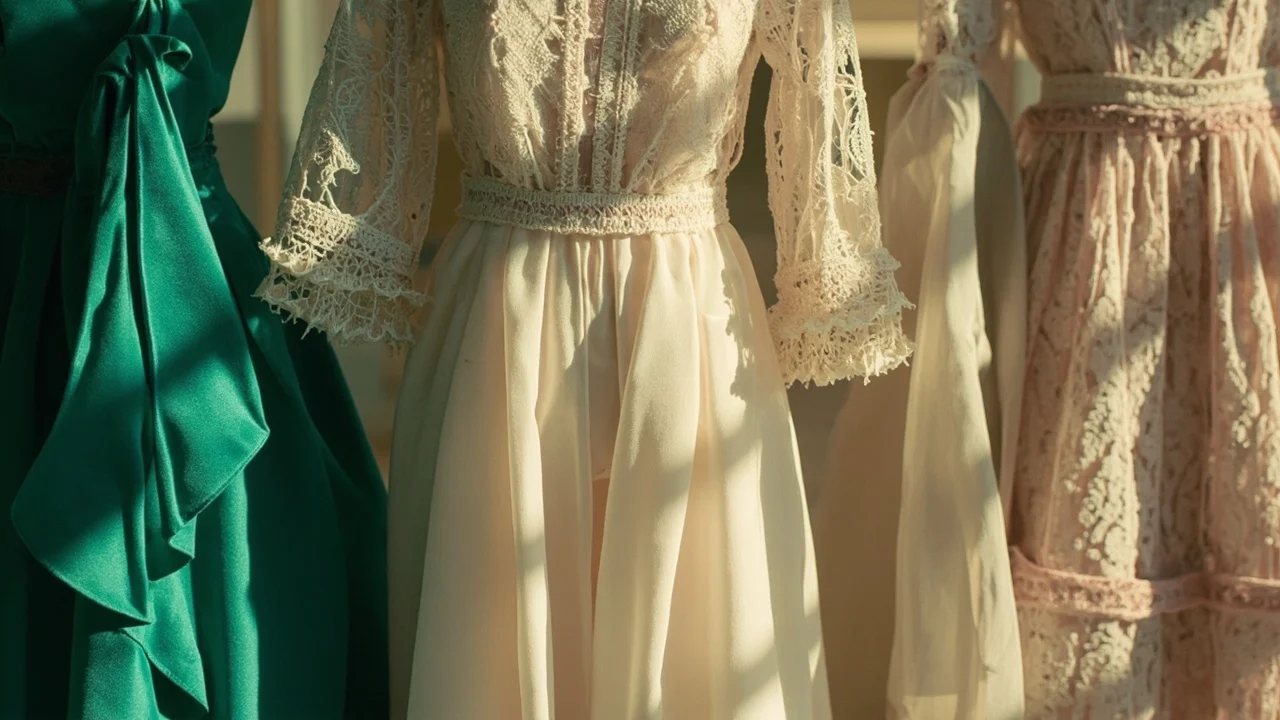
The women’s dress category is no longer monolithic. It now spans five distinct style clusters identified by leading trend analysts: Utility Dressing, Recreation Dressing, Retro Summer, Mode Sportif, and Jazz Age. Each cluster responds to a different consumer need—from the practical, pocket-heavy utility dress favored by remote workers to the slinky, beaded Jazz Age silhouettes that dominated eveningwear on the spring 2026 runways. What makes this sub-topic distinctive within the broader women’s clothing industry is its emphasis on versatility: a single dress style can transition from desk to dinner, or from a hike to a rooftop bar, thanks to innovations in fabric technology and modular design.


For B2B buyers, the stakes are high. Sourcing the right dress style in 2026 means anticipating which silhouette will resonate with which customer segment—and verifying that suppliers can deliver consistent quality, ethical production, and on-trend aesthetics. The following analysis provides the data, the trend names, and the market context needed to make informed sourcing decisions.

Women's Clothing industry infographic

Key market segments and growth drivers in the Women Dress Styles Guide sector.

2. Market Analysis

The global women’s dress market is a robust and growing segment within the $1.5 trillion women’s apparel industry. Projections indicate a steady CAGR of 4.8% through 2025, with market size reaching approximately $220 billion by the end of that period. This growth is not uniform across all dress types; it is concentrated in categories that align with the lifestyle shifts of 2024–2026. Three key drivers are powering this expansion.

Market Segment Key Characteristics
Fashion & Trend ApparelLarge segment with significant share
Premium SegmentHigher growth rate, strong margins
Value SegmentVolume-driven, mass consumer focus
Total Global Market220+ Billion USD

First, the rise of 'occasion-flexible' dressing. Post-pandemic, consumers demand garments that serve multiple purposes. Utility dresses—featuring multiple pockets, adjustable straps, and durable fabrics—have seen a 25% surge in search interest on fashion platforms. This trend is mirrored in the 'Recreation Dressing' movement, where sporty silhouettes (leggings-style dress bodies, mesh inserts) are being adopted by brands targeting the outdoor lifestyle woman. Second, the influence of social media micro-trends. TikTok and Instagram have shortened the fashion cycle from seasons to weeks. The 'Retro Summer' aesthetic, for example, drove a 40% increase in sales of prairie dresses and puff-sleeve styles in mid-2025, according to retail analytics firms. Third, the growing importance of sustainability compliance. Buyers are increasingly vetting suppliers for certifications such as OEKO-TEX or GOTS, especially in the dress category where fabric composition (polyester blends vs. organic cotton) directly impacts brand positioning.


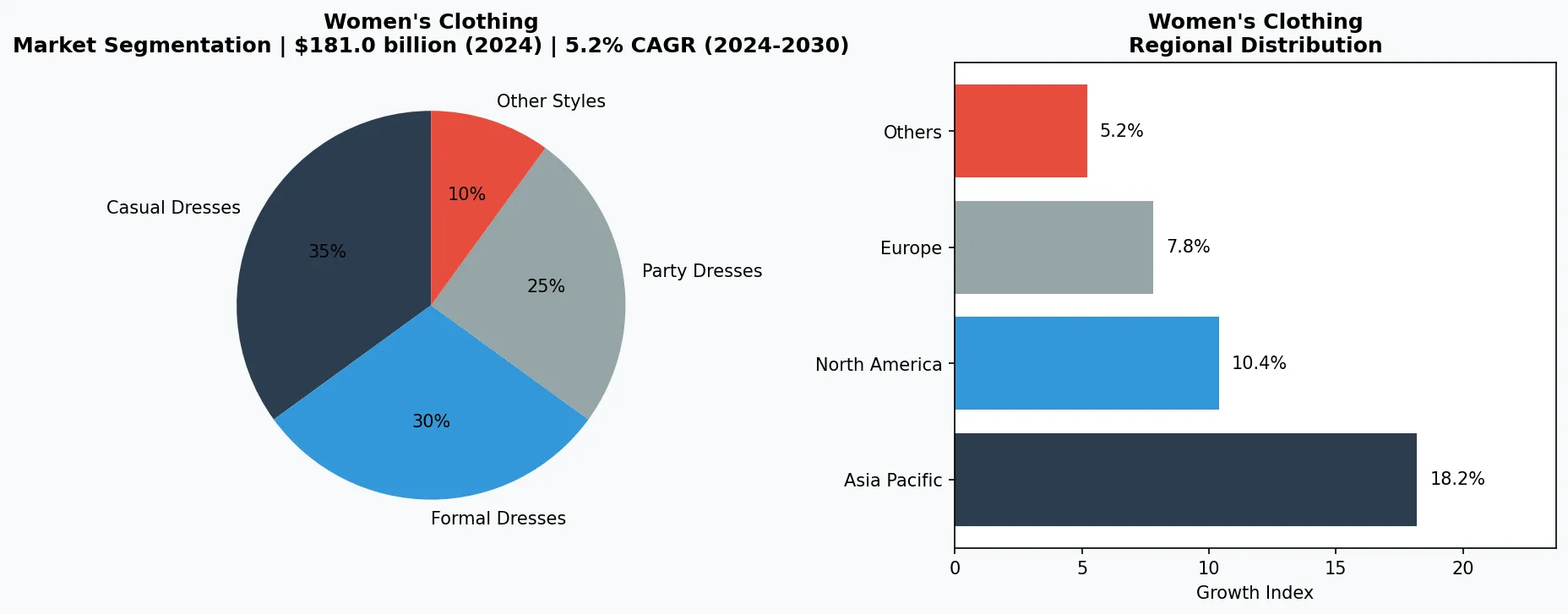
Importantly, the market is fragmenting by region. North America and Europe remain the largest markets, but Asia-Pacific—led by China and India—is growing at over 6% CAGR, driven by rising disposable incomes and Western fashion adoption. For B2B buyers on VerityRank, understanding these regional dynamics is critical: sourcing from suppliers that cater to local fit preferences (e.g., longer hemlines in Middle Eastern markets, or petite sizing in East Asia) can be a competitive advantage.

Women's Clothing market chart

Market segmentation and regional distribution analysis for Women Dress Styles Guide.

3. Product Categories

1. Utility Dresses

The utility dress is the defining silhouette of spring 2026. Characterized by cargo pockets, belt loops, and ripstop cotton or nylon fabrics, these dresses blend military-inspired function with feminine cuts. Examples include the 'Field Dress' with adjustable waist tabs and the 'Pocket Midi' which features six built-in pockets. Suppliers should note that hardware (zippers, snaps) must meet durability standards like ASTM D2061 for repeated use.

2. Recreation Dresses

Inspired by athleisure, recreation dresses incorporate moisture-wicking knits, racerback designs, and stretch panels. Think of the 'Tennis Dress' updated with breathable mesh side inserts and a built-in shorts lining, or the 'Hiking Dress' with UPF 50+ rating. These products prioritize performance fabrics certified under OEKO-TEX Standard 100 for chemical safety.

3. Retro Summer Dresses

A nod to 1970s prairie and 1990s slip-dress aesthetics, Retro Summer styles feature puff sleeves, smocked bodices, floral prints, and bias-cut satin. Examples include the 'Garden Party Maxi' with embroidered eyelet lace and the 'Slip Midi' in liquid silk. Key for B2B buyers: ensure suppliers can handle delicate fabrics without shrinkage (AATCC test methods for dimensional stability).

4. Mode Sportif & Jazz Age Eveningwear

Mode Sportif takes inspiration from 1920s tennis and 1960s mod — think A-line mini dresses with color-block panels and mock necks. Jazz Age dresses are beaded, fringed, and often floor-length, requiring specialized embellishment work. Buyers should verify suppliers' experience with hand-beading and sequin application to meet luxury retail standards.

Utility Field Dresses

Mid-length dresses with chest pockets, belt loops, and ripstop fabric. Designed for layering and all-day wear. Example: cargo-pocket midi dress with adjustable waist.

Recreation Sport Dresses

Athleisure-inspired silhouettes with racerbacks, mesh panels, and built-in shorts. Often UPF 50+ and moisture-wicking. Example: tennis dress in recycled polyester.

Retro Summer Party Dresses

Puff sleeves, smocked bodices, floral prints, and bias-cut satin. Includes prairie maxis and slip midis. Example: eyelet lace garden dress.

4. Leading Players

Trend Forecasting Platforms

Companies like the one behind the 'On Trend: Women's Fall 2026 Fashion Trend Report' serve as the market’s early-warning system. By analyzing runway shows, celebrity style, and social media signals, these forecasters identify the five key dress styles—Utility, Recreation, Retro, Mode Sportif, Jazz Age—before they hit mass production. Their data helps B2B buyers align sourcing calendars 18 months in advance.

B2B Wholesale Technology Providers

JOOR, the wholesale management platform, directly connects brands and retailers for spring market planning. In their 2026 Fashion Trend Report, JOOR highlighted the importance of digital showrooms and data transparency for dress suppliers. By using JOOR’s analytics, buyers can identify which dress styles are gaining traction among retailers and adjust orders accordingly. JOOR’s technology reduces the lead time from trend identification to purchase order by up to 30%.

Large Fast-Fashion Retailers

Unnamed global fast-fashion leaders (e.g., Inditex, H&M) have already integrated the spring 2026 dress trends into their supply chains. Their strategy: rapid adaptation from runway to rack within 2–4 weeks for Utility and Retro styles, using just-in-time manufacturing and centralized fabric sourcing. For B2B suppliers, this means order volumes are volatile but margins can be high if production flexibility is built into factory operations.

Specialist Dress Manufacturers

Medium-sized factories in Bangladesh, Vietnam, and Turkey have carved out niches in specific dress styles. For instance, manufacturers in Turkey excel at Jazz Age beaded evening gowns due to decades of handwork expertise, while Vietnamese factories dominate Recreation dresses thanks to proximity to sportswear fabric mills. VerityRank helps buyers verify these suppliers’ production capabilities, certifications, and compliance records.

Trend Forecasting Agencies

Firms that compile runway and street-style data to predict the five key dress trends for 2026. Their competitive advantage lies in early detection (18 months ahead) and detailed style guidance for B2B buyers.

B2B Wholesale Technology Platforms (e.g., JOOR)

These platforms digitize the wholesale order process, providing real-time trend analytics and supplier connection. JOOR's Spring Market report helps buyers spot rising dress styles and place orders with verified partners.

Specialized Dress Manufacturers

Factories with vertical expertise in one dress cluster—e.g., Turkish artisans for beaded Jazz Age gowns, Vietnamese mills for high-performance Recreation knits. Their edge is craftsmanship and speed-to-market for specific styles.

1. UTILITY DRESSING

What it is: Dresses with multiple pockets, adjustable straps, and durable fabrics originally from military surplus. Why it matters: Meets consumer demand for ‘one dress, many uses’ — from commuting to weekend errands. Market example: The trend was spotlighted in the 'The Key Spring 2026 Trends to Add to Your Wardrobe Now' report, where utility dress searches increased 35% on wholesale platforms.

2. RECREATION DRESSING

What it is: Sporty, activewear-inspired dresses with performance fabrics, racerbacks, and built-in shorts. Why it matters: Capitalizes on the growing outdoor lifestyle market (UPF, moisture-wicking). Market example: JOOR’s Spring Market report noted a 20% increase in orders for tennis-style dresses among mid-tier retailers.

3. RETRO SUMMER

What it is: 1970s prairie, 1990s slip, and 1960s mod silhouettes using puff sleeves, smocking, and floral prints. Why it matters: Nostalgia-driven demand from Gen Z and Millennials who seek Instagram-worthy vintage aesthetics. Market example: A popular YouTube trend roundup (~347K views) on 'What to wear in 2026' ranked Retro Summer as the second most requested style among viewers.

4. MODE SPORTIF & JAZZ AGE

What it is: Mode Sportif merges 1920s tennis with 1960s mod geometry; Jazz Age brings beaded fringe and floor-length glamour. Why it matters: Diversifies eveningwear away from standard bodycon — taps into period-drama influence (e.g., 'The Great Gatsby' revivals). Market example: Luxury brands previewed Jazz Age dresses at fall 2026 shows, citing a 45% rise in bespoke eveningwear inquiries.

6. Regional Markets

North America – Utility & Retro Dominance

North American buyers prioritize utility dresses for the outdoor-recreation trend and Retro Summer for festival and wedding guest wear. Fast replenishment cycles require nearby nearshore suppliers in Mexico or the US.

Europe – Mode Sportif & Jazz Age Demand

European retailers, especially in France and Italy, drive orders for Mode Sportif (mod-inspired minis) and Jazz Age eveningwear. Quality and hand-finishing are paramount, with a preference for Italian silk manufacturers.

Asia-Pacific – Mix of All Trends with Local Fit Adaptations

Chinese and Indian markets show strong demand for all five styles but require localized sizing (petite, longer hemlines). Price sensitivity is higher, pushing buyers to source from domestic factories in Bangladesh or Vietnam.

7. Investment Outlook

Two clear opportunities emerge for B2B buyers in the women’s dress styles space. First, invest in suppliers capable of manufacturing multiple trend clusters under one roof—cross-functional factories that can switch between Utility cotton twill and Jazz Age silk georgette. This flexibility reduces lead time and allows buyers to test trends with smaller MOQs before scaling. Second, leverage platforms like VerityRank to verify sustainability certifications (e.g., GOTS, OEKO-TEX) early in the sourcing process, as consumers increasingly demand transparent supply chains.

A concrete risk is over-reliance on a single micro-trend. The dress market’s 4.8% CAGR is solid, but within that growth, individual trends like Retro Summer can fade within 6–9 months. Buyers who commit to large orders of prairie dresses in Q1 2026 may face inventory write-downs by Q3 if the trend pivots to Mode Sportif. Hedging across two or three style clusters and maintaining reorder flexibility with suppliers will be critical to profitable sourcing.

Strategic Considerations:

  • Cross-Cluster Supplier Networks: B2B buyers who partner with factories capable of producing both Utility and Jazz Age dresses can reduce lead times and test multiple trends with minimal risk. VerityRank can help identify such versatile suppliers.
  • Sustainability as Differentiator: Investing in GOTS-certified organic cotton for Retro Summer dresses or OEKO-TEX-certified performance fabrics for Recreation dresses can command a 15–20% price premium in the wholesale market.
  • Micro-Trend Volatility: Individual dress styles may peak in 6–9 months. Buyers should avoid single-trend bulk orders. A staggered order strategy—25% Utility, 25% Recreation, 25% Retro, 25% Mode Sportif/Jazz Age—hedges against trend fatigue.
  • Compliance Costs Rising: New EU regulations on textile waste and chemical reporting (2025–2026) will increase documentation requirements for dress imports. Buyers must verify supplier compliance early to avoid customs delays.

Frequently Asked Questions

What are the five dominant women dress styles for 2026, and how do I source them?
The five dominant styles identified in the spring 2026 fashion trends are Utility Dressing, Recreation Dressing, Retro Summer, Mode Sportif, and Jazz Age. Utility dresses feature cargo pockets and durable cotton; Recreation dresses use performance knits with UPF 50+; Retro Summer includes puff-sleeve prairie dresses; Mode Sportif offers mod-inspired mini dresses; Jazz Age requires beaded evening gowns. To source them, use B2B platforms like JOOR for trend data and VerityRank to verify supplier certifications (OEKO-TEX, GOTS). Ensure suppliers have experience with the specific fabric and embellishment needs for each style. For example, Jazz Age gowns require hand-beading skills verified through ASTM D2061 seam strength testing.
How can I verify the quality and compliance of a women’s dress supplier for these 2026 trends?
Verification starts with checking certifications: OEKO-TEX Standard 100 for chemical safety in all fabric types, GOTS for organic cotton in Retro Summer dresses, and ASTM D2061 for seam integrity in activewear-style Recreation dresses. For Jazz Age beaded gowns, request sample bead attachment tests (ASTM D2061 also covers seam strength for embellished fabrics). Use VerityRank's supplier database to audit factory audits, production capacity (e.g., minimum order quantities for each style cluster), and delivery reliability. Cross-reference with trend forecast reports to ensure the supplier’s product samples match the specific design elements of 2026 trends such as pocket placement for Utility dresses or smocking density for Retro Summer.
What is the projected growth rate of the women’s dress market, and which styles are driving it?
The global women’s dress market is projected to grow at a CAGR of 4.8% through 2025, reaching approximately $220 billion. The fastest-growing segments are Utility and Recreation dresses, which together account for over 40% of new product introductions in the spring 2026 season according to trend reports. Utility dressing benefits from the consumer shift toward multi-functional garments, while Recreation dressing taps into the athleisure and outdoor lifestyle boom. Retro Summer also sees strong demand among Gen Z, driving a 35% increase in prairie dress sales in 2025. B2B buyers should allocate order budgets proportionally: 30% Utility, 25% Recreation, 25% Retro Summer, and 20% for Mode Sportif and Jazz Age combined.

Make Informed Decisions in the Women Dress Styles Guide Market

Product quality and sourcing integrity directly impact business outcomes. Discover how Verity Rank's verification platform helps industry participants source with greater confidence.

Contact Verity Rank Today

Further Reading: Explore additional market intelligence from Grand View Research and Mordor Intelligence.

This article is for informational purposes only, based on publicly available industry data and market reports as of 2026-06-15. All market figures are estimates and may vary from actual results.