Table of Contents
The global Men's Casual Jacket Types sector serves consumers worldwide with diverse solutions.
1. Industry Overview
Men’s casual jacket types are no longer just seasonal layering pieces—they are the fastest-growing subsegment in the $207.23 billion men’s coats and jacket market projected by 2035, driven by a 3.42% CAGR. The market shift is clear: consumers want outerwear that bridges performance and everyday style without compromising on utility. From the urban commuter to the weekend hiker, the demand for jackets that are windproof, packable, and fashion-forward has pushed casual jackets to the forefront of men’s apparel. What makes this sub-topic distinct within men’s clothing is the blending of traditionally separate categories—technical outdoor gear now sits alongside streetwear silhouettes like cropped trenches and funnel-neck styles. The classic bomber, once purely military, now appears in water-resistant shells; fleece, long a mid-layer staple, has evolved into centerpiece outerwear. This convergence is redefining supply chains, with manufacturers investing in multi-functional fabric technologies that cater to both performance-driven and style-conscious buyers.
Industry Scope & Characteristics
Hybrid Functionality
Men's casual jacket types uniquely blend technical features (windproof shells, packability) with fashion-forward silhouettes (funnel-neck, cropped). The bomber jacket now often includes a DWR coating and stowaway hood.
Supply Chain Flexibility
Manufacturers frequently operate dual production lines: one for high-volume, low-cost basics (e.g., standard fleece) and another for quick-turn, trend-driven styles (e.g., cropped trenches) to meet seasonal demand shifts.
Certification Requirements
Key quality standards include ISO 105 for colorfastness and ASTM D3786 for fabric burst strength. Sustainability certifications like OEKO-TEX are increasingly demanded by B2B buyers, especially for fleece jackets.
R&D in Fabric Lamination
Innovation focuses on lightweight, windproof laminates that remain breathable. Recent developments include recycled polyester membranes that match virgin materials in performance, reducing environmental impact without raising cost significantly.
Key market segments and growth drivers in the Men's Casual Jacket Types sector.
2. Market Analysis
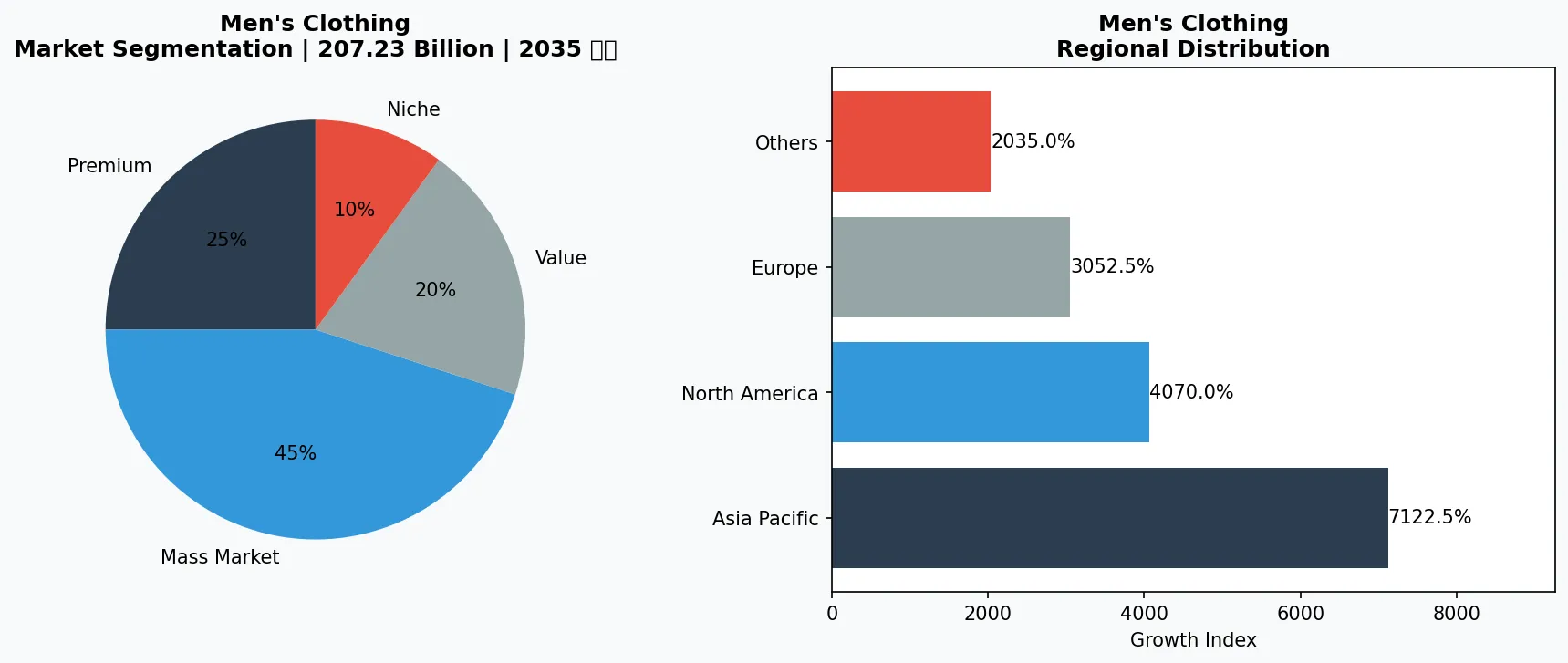
According to recent industry data, the men’s coats and jacket market is anticipated to reach USD 207.23 billion by 2035, expanding at a compound annual growth rate of 3.42% from 2025 to 2035. This growth is underpinned by two major drivers: the rise of the outdoor lifestyle trend and the increasing urbanization of casual wardrobes. Consumers are valuing versatility—jackets that transition from a morning commute to an afternoon trail hike. Features such as windproof shells, packability, and fashionable designs are directly appealing to this hybrid consumer base. The Los Angeles market, a bellwether for North American trends, is estimated to reach USD xx billion by 2024, signaling strong regional demand. Meanwhile, the trend for practical outdoor gear shows no sign of slowing; fleece jackets are evolving from sensible mid-layers to centerpiece outerwear, offering a tactile alternative to traditional shells. This shift is forcing brands to rethink product assortments, moving away from seasonal drops toward year-round collections that emphasize multi-functionality. The market is also seeing increased investment in sustainable materials, as buyers—particularly in Europe and Asia—demand eco-friendly production without sacrificing performance.
Market segmentation and regional distribution analysis for Men's Casual Jacket Types.
3. Product Categories
Bomber Jackets
The classic bomber remains a staple, but modern versions incorporate technical fabrics like nylon ripstop and DWR coatings. Spring 2026 trends highlight cropped silhouettes and funnel-neck collars, updating the military heritage for urban streets.
Fleece Jackets
Once relegated to base layers, fleece has emerged as a standalone outerwear choice. Brands are using high-loft, recycled polyester fleece with wind-resistant membranes, making it a tactile alternative to puffer jackets.
Field Jackets
Characterized by multiple utility pockets and a relaxed fit, field jackets are being re-engineered with packable designs and lightweight, windproof shells. They appeal to the consumer who values both storage and mobility.
Lightweight Parkas
These packable jackets offer insulation without bulk, often featuring stowaway hoods and water-resistant zippers. Their compact nature makes them ideal for travel, aligning with the growing demand for versatile, on-the-go outerwear.
Bomber & Flight Jackets
Classic silhouette updated with windproof nylon shells and funnel-neck collars. Examples include military-inspired designs with snap-button plackets and ribbed cuffs. Dominant in streetwear and premium casual.
Fleece Jackets (Mid-Layer to Outerwear)
Evolving from base layers to primary jackets, featuring high-loft recycled polyester, wind-resistant linings, and full-zip fronts. Tactile alternative to puffer jackets, popular in outdoor lifestyle collections.
Field & Utility Jackets
Multi-pocket, relaxed-fit jackets with packable construction. Often include a stowaway hood and water-resistant shell. Used by brands targeting the 'urban explorer' consumer segment.
4. Leading Players
Performance-First Brands
These manufacturers prioritize technical fabrics and certifications (e.g., ISO 105 for colorfastness, ASTM D3786 for burst strength). Their competitive advantage lies in R&D for windproof and waterproof membranes that maintain breathability. By focusing on outdoor enthusiasts, they capture the high-margin segment of the market.
Fashion-Forward Labels
Targeting the streetwear consumer, these players emphasize silhouette innovation like cropped cuts and oversized proportions. They leverage quick-turn supply chains to capitalize on seasonal trends, often collaborating with fabric mills to develop exclusive patterns and textures.
Value-Driven Manufacturers
Serving mass retailers and private-label programs, these suppliers compete on cost at scale. They invest in automated cutting and sewing lines to keep unit prices low, while still incorporating trending features like packability. Their strategy is to offer ‘good-better-best’ tiers, allowing buyers to choose between basic fleece jackets and upgraded windproof models. All three archetypes face pressure to adopt sustainable practices, such as OEKO-TEX certification, to meet buyer compliance requirements.
Technical Outerwear Specialists
Focus on R&D for windproof, packable shells with certified performance metrics (e.g., ASTM D3786 burst strength). They supply outdoor brands and private-label buyers who require strict quality control.
Fashion-Forward Fast-Fashion Producers
Leverage agile supply chains to produce cropped bombers and funnel-neck styles on short lead times. Their edge is in small-batch runs and trend-responsive fabric sourcing.
Volume-Based Mass Manufacturers
Operate large-scale facilities in low-cost regions, producing basic fleece jackets and field jackets for retailers. Compete on unit price while adding value through sustainable certifications like OEKO-TEX.
5. Market Trends
1. FUNNEL-NECK & CROPPED TRENCHES
The spring 2026 runways are dominated by funnel-neck bomber jackets and cropped trench coats. Why it matters: this silhouette shift appeals to younger consumers who want a modern, tailored look without sacrificing utility. Performance-first brands are incorporating these cuts into their technical lines, proving that fashion and function can coexist.
2. FLEECE AS CENTERPIECE OUTERWEAR
Fleece jackets are no longer just mid-layers; they are now designed as primary outerwear with wind-resistant shells and upgraded zippers. This trend drives the tactile alternative to puffer jackets.
3. WINDPROOF & PACKABLE SHELLS
A direct response to the hybrid consumer, these jackets feature windproof membranes and compress into a built-in pocket. The appeal crosses both performance-driven hikers and style-conscious commuters, making them a top inventory item for casual jacket buyers.
6. Regional Markets
North America (Los Angeles Hub)
Los Angeles is a key market for men's casual jackets, with estimated revenues reaching USD xx billion by 2024. Demand is driven by the athleisure trend and a strong outdoor lifestyle culture. Brands here prioritize windproof shells and packability.
Europe (Scandinavian & Alpine Influence)
European buyers lead in sustainability requirements and technical fabric use. Fleece jackets as outerwear are particularly popular in Nordic countries, where layering is essential but style matters equally.
Asia-Pacific (China & Japan Urban Centers)
Rapid urbanization and rising disposable income fuel demand for versatile, fashion-forward jackets. Cropped silhouettes and funnel-neck designs resonate with younger consumers. Manufacturers in this region focus on fast turnaround for seasonal trends.
7. Investment Outlook
Two opportunities define the near-term horizon for men’s casual jacket types. First, the ‘urban outdoor’ niche—jackets that perform on a trail yet look sharp in a coffee shop—is underserved and growing. Suppliers that can deliver certified windproof fabrics at competitive price points will capture B2B orders from lifestyle brands. Second, customization and small-batch production are gaining traction; buyers want private-label jackets with unique colorways and pocket configurations. The primary risk is supply chain volatility. Fluctuating costs of polyester and nylon, as well as delays in zipper and membrane component sourcing, can compress margins. Smart procurement teams are diversifying suppliers across regions and locking in fabric contracts early to mitigate this.
Strategic Considerations:
- Urban Outdoor Niche Expansion: Suppliers that develop jackets certified for both wind resistance and urban aesthetics will capture B2B orders from lifestyle brands seeking hybrid products.
- Private-Label Customization Growth: Buyers increasingly demand small-batch, customizable jackets with unique pocket layouts and colorways, favoring manufacturers with flexible production lines.
- Raw Material Cost Volatility: Nylon and polyester price fluctuations, along with zipper supply delays, pose a margin risk. Diversifying fabric sources across regions can mitigate this.
- Sustainability Compliance Pressure: Retailers and brands are mandating OEKO-TEX certifications for all casual jackets. Manufacturers without certified supply chains may lose key contracts by 2027.
Frequently Asked Questions
Make Informed Decisions in the Men's Casual Jacket Types Market
Product quality and sourcing integrity directly impact business outcomes. Discover how Verity Rank's verification platform helps industry participants source with greater confidence.
Contact Verity Rank TodayFurther Reading: Explore additional market intelligence from Grand View Research and Mordor Intelligence.
This article is for informational purposes only, based on publicly available industry data and market reports as of 2026-06-15. All market figures are estimates and may vary from actual results.